
Blown-In Fiberglass Insulation In Vaughan, Ontario
Ontario attic rebates up to $1,250 may apply
Blown-in fiberglass insulation is fluffy glass fibre carried by air down a hose until it drifts into every bay and corner. It weighs little, never soaks up water and brings a thin attic up to current levels fast.
Batts tend to leave gaps at their ends, seams down the middle and voids around wiring. Blown-in fiberglass insulation covers all of that in one unbroken blanket, which is why it is one of our two main materials in Vaughan.
Blown-In Fiberglass Insulation details
Where Blown-In Fiberglass Insulation Works Best
Blown-in fiberglass insulation suits low, tight attics where reaching the eaves would mean crawling over trusses, since the hose reaches for us. Owners worried about damp tend to like it, since glass fibre holds no water.
Pound for pound of R-value, fiberglass is the lighter fill. On older plaster or thin drywall ceilings in Woodbridge, that lighter load is worth having.
Blown-In Fiberglass Insulation Needs More Depth
Loose fiberglass reaches R-60 at close to 20 inches, a few inches higher than cellulose. Each product's bag label sets its own height, and the rulers across the attic show it. We fill to the line, then check the rulers again before packing up.
Because the layer stands taller, the baffles at the eaves matter more. They keep the fibre away from the soffit vents so outside air can still flow under the roof deck.
Fiberglass Or Cellulose For Your Attic
Each one has its place. When an attic has dense wiring and lots of small gaps, blown-in cellulose insulation settles in tighter. When moisture or ceiling weight is a worry, loose glass fibre wins. The quote spells out our reasoning.
Blown-In Fiberglass Insulation Pricing
Plan on $1.50 to $3.00 a square foot for blown-in fiberglass insulation to R-60; the existing layer decides where you land.
Get A Blown-In Fiberglass Insulation Quote
Book a free walk-through at (289) 210-8363 or with the form below. Our home page shows the clean-out work and the other attic jobs.
Related Attic Services
Most Vaughan attics end up needing two or three of these together.
-
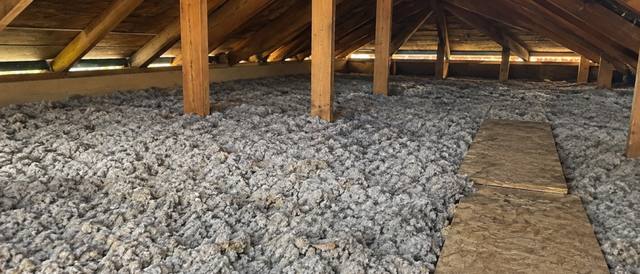
Attic Insulation Top-Up
An attic insulation top-up lays fresh blown fill over whatever clean layer is already there, lifting a thin attic to about R-60 in a single visit. It fits any attic whose existing insulation is still dry and free of droppings.
-
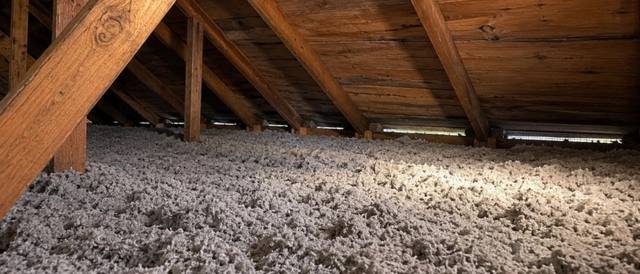
Blown-In Cellulose Insulation
Blown-in cellulose insulation is shredded recycled paper treated with borates against fire, mould and insects. Blown to the right density, this attic insulation tucks around wires and truss plates and forms a heavy, quiet layer.
-
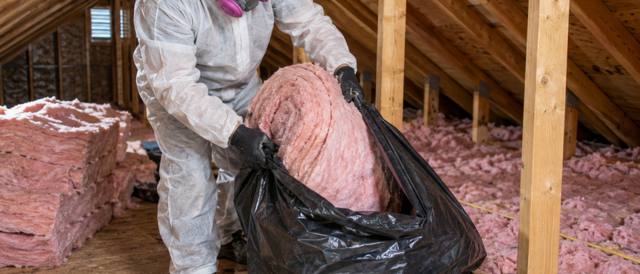
Rodent Damaged Attic Insulation Removal
When mice, squirrels or raccoons have nested in the attic, we take out the fouled attic insulation, disinfect the bare joists and close the holes they used from inside. New insulation is installed only after that.
-
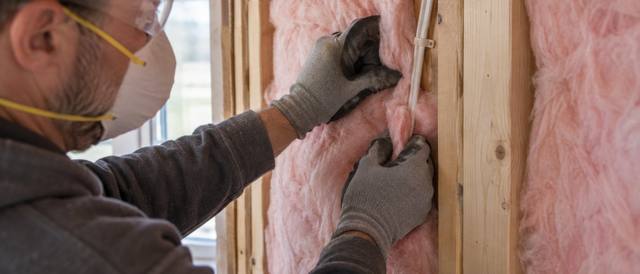
Attic Air Sealing
Attic air sealing blocks the openings between the rooms below and the attic, so heated air stays in the house and the fill above can do its job. We seal pot lights, wire holes, plumbing vents and wall tops from the attic side.
-
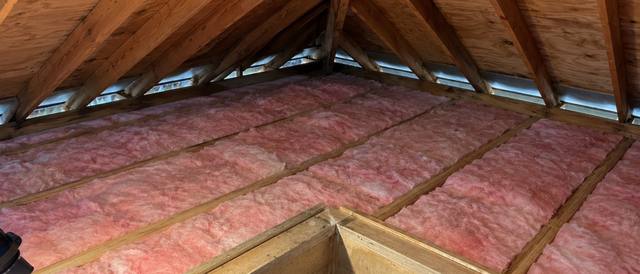
Attic Hatch Insulation
Attic hatch insulation seals and insulates the access panel in your ceiling. An unsealed hatch can let out more heat than a large stretch of insulated ceiling around it.
-
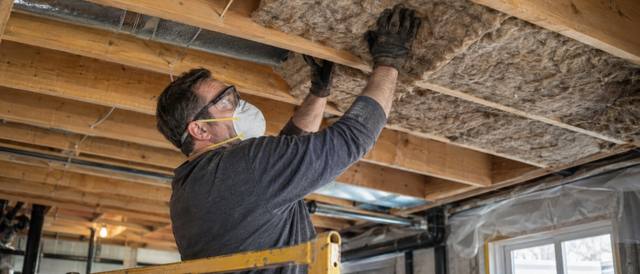
Cathedral Ceiling Insulation
Cathedral ceiling insulation packs the thin rafter cavity above a sloped ceiling, where there is no attic floor to work on. The method depends on how deep the rafters are, how the roof vents and how we can get inside.
-
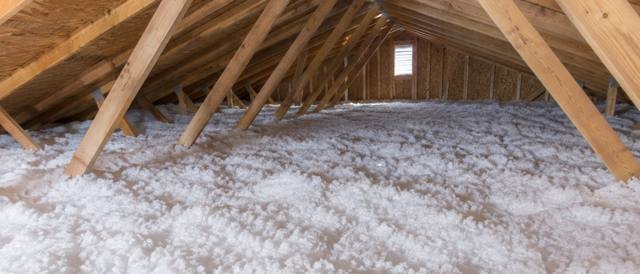
Attic Insulation Rebate
Through its Home Renovation Savings program, Ontario's gas and electricity utilities have offered an attic insulation rebate topping out at $1,250 for an attic finished at R-50. Here is what the program's own pages said when we read them, so you can plan with real figures.
-
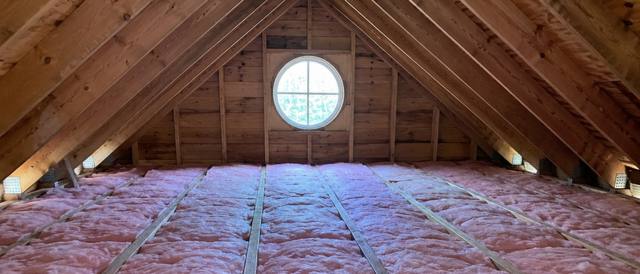
Attic Insulation Cost
Attic insulation cost for a detached Vaughan house usually falls between $1,500 and $5,000. Job type, floor area and the state of the old fill push yours up or down that scale.


Ask For A Free Attic Walk-Through
Describe the symptoms, and our office will phone you to settle on a day.
Request Your Free Attic Walk-Through
Mention the age of the house and anything odd upstairs so the right gear comes along. Calls go to +1 (289) 210-8363.